A history of testing,
since 1914.
ISM has never asked anyone to take its word for it. According to company history, the first safe it ever sold was tested in front of a crowd. The newest certified model was independently evaluated under UL 687. This is the record in between.
The apprentice.
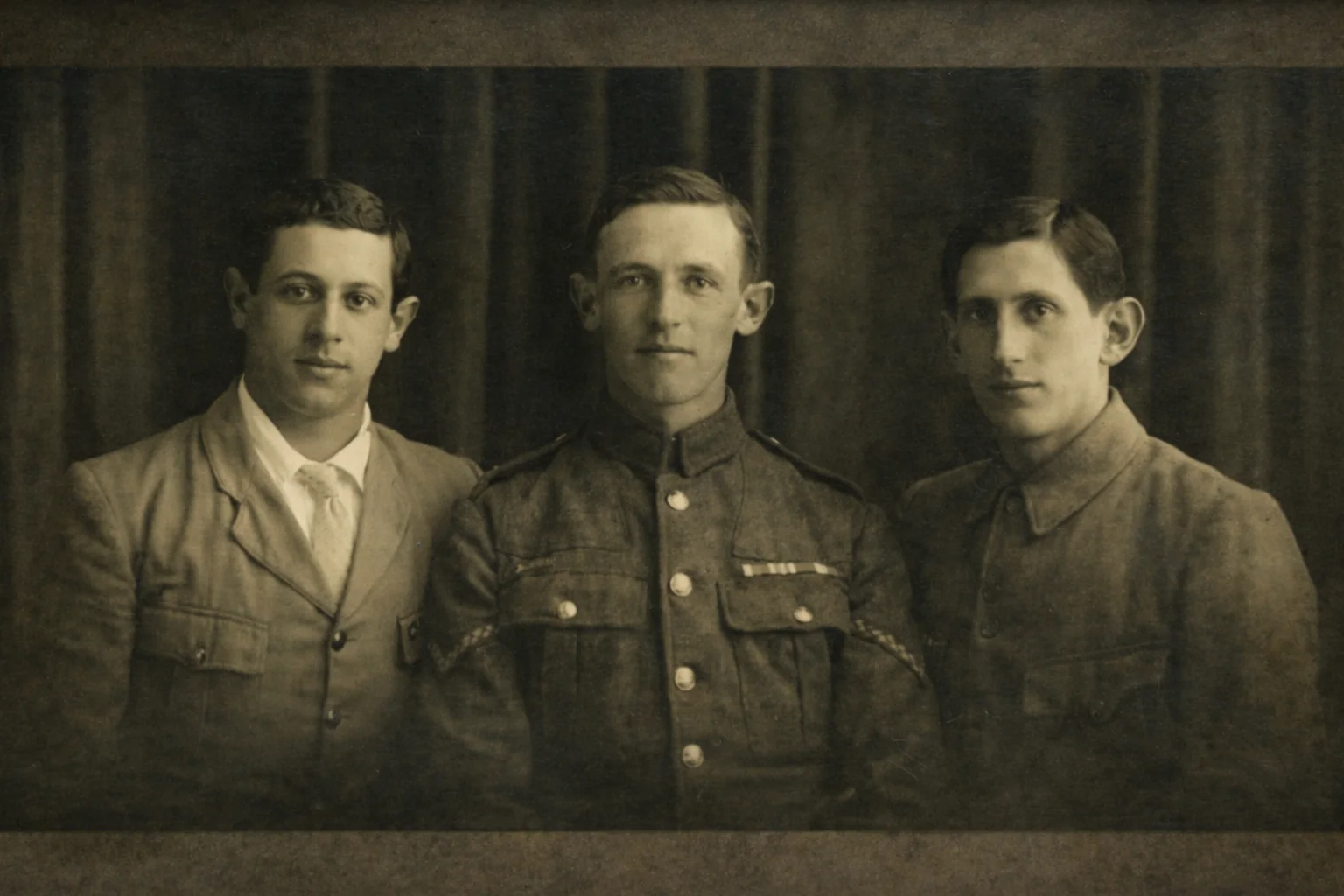
Jacob Goldman arrived with his parents in 1907, and the family settled in Jerusalem. He moved on to Jaffa, learned metalwork at the Sha’arei Torah trade school, and in early 1914 was called back to run its workshop. He was eighteen.
In that workshop he began making iron boxes and cabinets built to survive fire. An insurance company he hoped would buy them asked a fair question: how did he know they worked?
- 18
- Age when asked to run the workshop
- Jaffa
- Sha’arei Torah trade school
They put it in the fire.
By the company’s account, much of the small town of Tel Aviv came out to watch an unusual bonfire, Meir Dizengoff and founders of the town among them. At its heart stood one of Goldman’s iron boxes, and inside the box was a scroll of Ecclesiastes.
The trade of a whole region.
On the strength of that fire Goldman founded Mif’alei Magen, and Dizengoff was the first buyer. Within twenty years, according to company records, the company was building safes, strongboxes, and vault rooms for many of the banks in Mandate Palestine, and for banks in Egypt and Persia. Its products were sold from Egypt to Syria.
Magen-Chatwood.
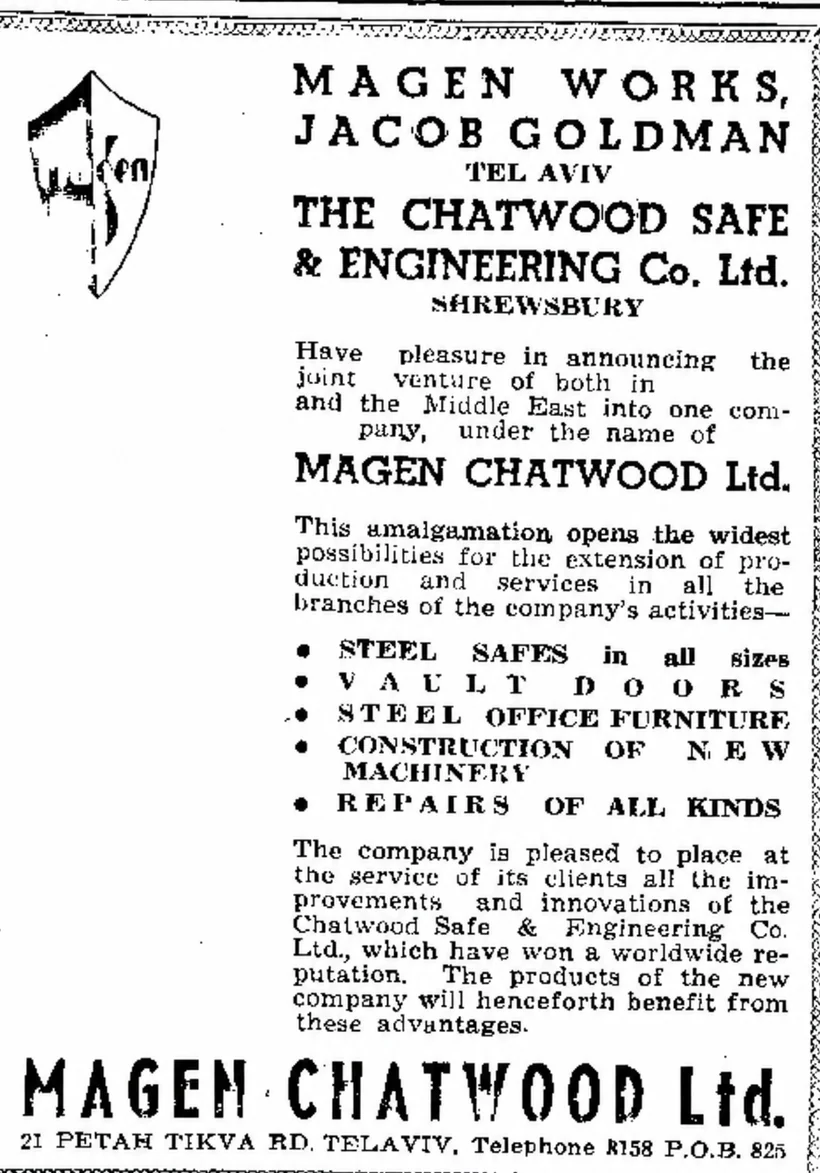
In 1945 Mif’alei Magen entered a partnership with the large British firm Chatwood. Both built safes from iron and steel, and in 1946 they founded Magen-Chatwood together: a large modern plant in the Petah Tikva industrial zone, described in company records as the only plant of its kind in Mandate Palestine at the time.
Through the British partnership the machinery and the raw steel came from Britain, much of it what remained of the wartime industry.
- Chatwood
- British partner, Great Britain
- 1946
- Petah Tikva industrial zone plant
The same line kept converting.
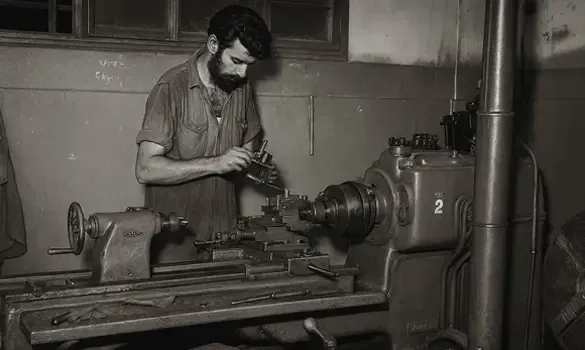
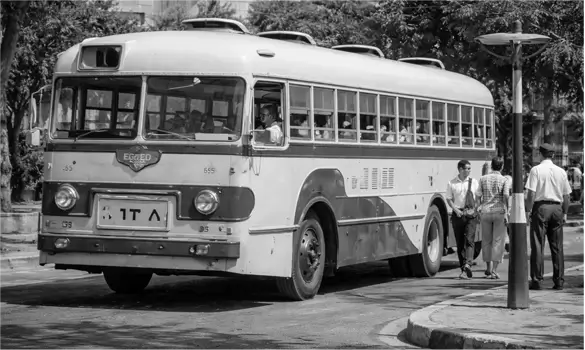
With the War of Independence a new wing of the plant produced steel plate and armor for the vehicles of the Haganah. When the war ended the same line was converted again, to bus chassis, most of them for Egged.
In 1953 the cooperative Merkavim, backed by Solel Boneh, bought the chassis division. Jacob Goldman bought the safe division outright from his remaining partners, and named it Magen Goldman.
THE WORK CONTINUES.
ISM offers high-security safes, vault doors, and modular vault systems for financial, commercial, and private clients in Israel, the United States, and international markets. More than a century after Jacob Goldman’s first public test, the principle remains the same: protection should be engineered, tested, and built to last.
Dates and events on this page are drawn from company records and family accounts. Archive photographs are undated unless stated, and the people in them are not identified.